GUIDE
How to start the ketogenic diet: a first-steps guide
Published on August 27, 2026
The starting point for anyone trying keto: what to know before you begin, what to put in your cart, and what to expect in the first few days.
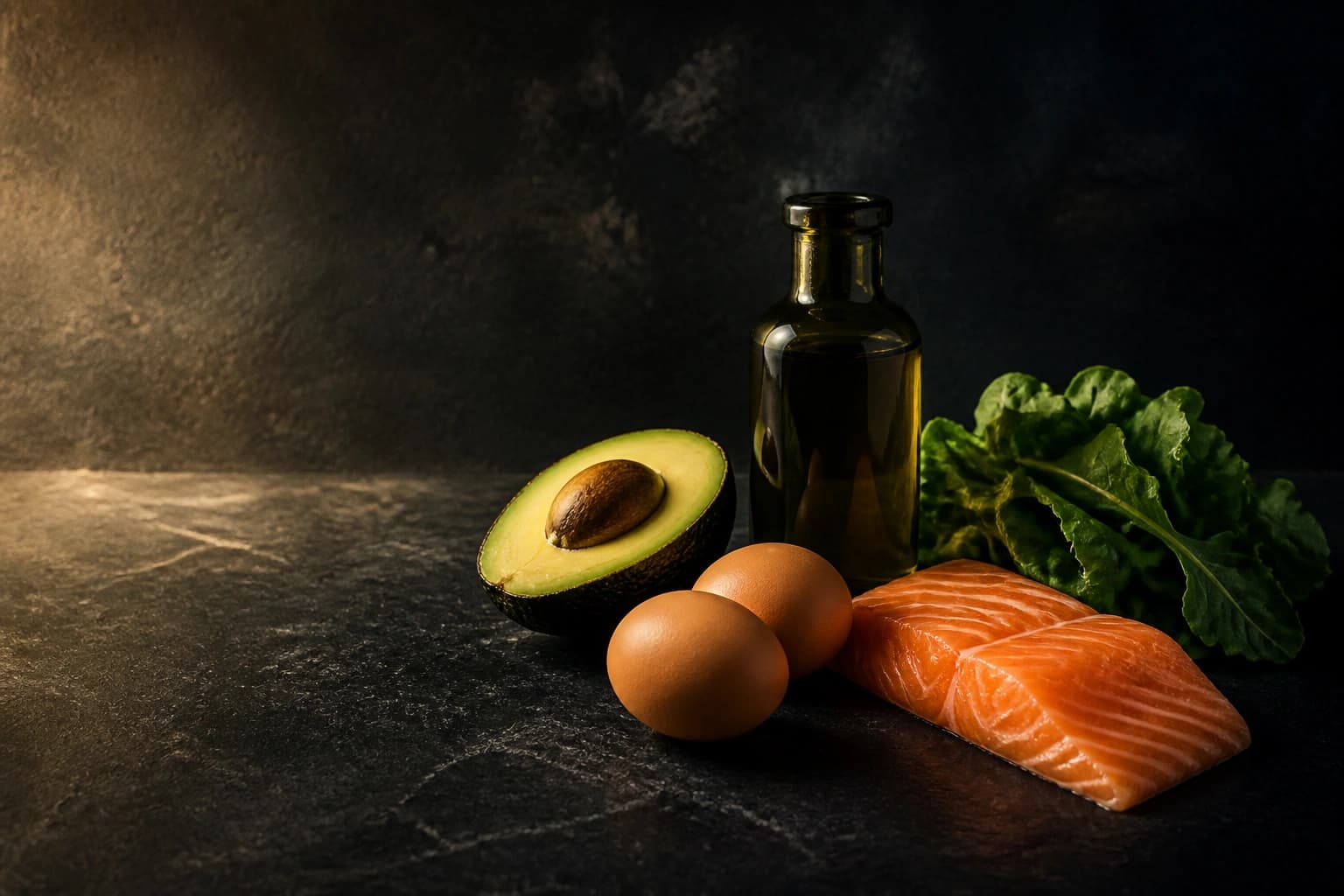
Want to try the ketogenic diet but not sure where to start? This guide covers the essential decisions of the first days — not all the theory, just what you need to take the first step with a plan — with links to the right articles to go deeper on each point.
What it is, in short
Keto sharply cuts carbs — bread, pasta, sugar, most fruit — to increase fat use and the production of ketones, which become an important energy source for the body: this metabolic state is called ketosis. It's the core shift every other choice in this guide follows from: what to eat, how to set your macros, what to expect in the first days. The full explanation, with the signs and how to measure it, is in Ketosis: what it is and how to tell if you're in it.
Before you start: when to ask a doctor first
For some people, keto shouldn't be started without supervision. Talk to a doctor or another qualified healthcare professional before starting if any of these apply to you:
- you're pregnant or breastfeeding
- you have diabetes managed with medication
- you have kidney, liver or pancreatic conditions
- you've had or currently have an eating disorder
- you're on other treatments that a major diet change could affect
In these cases the metabolic changes need to be followed by a professional, not managed alone with an online guide.
What to put in your cart
In practice: choose low-carb foods, include a protein source at your main meals, and favor mostly unsaturated fat sources, like extra-virgin olive oil, avocado and nuts. The full list of what to buy and what to avoid, category by category, is in What to eat and what to avoid on the ketogenic diet.
Setting carbs, protein and fat
These aren't three fixed targets to hit the same way: carbs have a ceiling you shouldn't cross to stay in ketosis, protein has an adequate amount to aim for, which can also help preserve muscle mass, fat is the energy source you adjust based on hunger, goals and how active you are, not a number to force regardless. Use the keto macro calculator to get a starting split that fits you, and Protein: how much you really need on keto for the detail on that one.
What to expect in the first days
In the first days some people report tiredness, headaches, dizziness or trouble concentrating, symptoms often grouped under the name keto flu. Diet changes and an initial loss of fluids and electrolytes can contribute. They're usually temporary, but intense, persistent or unusual symptoms shouldn't be automatically attributed to keto and need professional advice. How to manage them is explained in Keto flu: what it is, why it happens and how to overcome it.
Common mistakes to avoid
The first days are also when most avoidable mistakes happen: neglecting electrolytes, not drinking enough, or expecting a straight-line weight drop that the body almost never actually follows. You'll find them all, with how to avoid them, in 5 beginner mistakes on keto (and how to avoid them).
The next practical step
Once these points are clear, the next step is having a concrete plan for the week: take a look at the sample weekly keto menu, or browse the keto recipes organized by meal and pick the ones closest to how you already eat.
You don't need every answer before you start: the first days are also when you figure out what actually works for you. If you need more detail along the way — on a specific food, a symptom, or a practical doubt — you'll find the rest of the guides on the blog.
This article is for informational purposes only and does not replace advice from a doctor or nutritionist.