SCIENZA
Glycemic index vs glycemic load: why rice and potatoes are 'hidden sugar'
Published on June 16, 2026
Why do bread and rice behave like several teaspoons of sugar? The difference between glycemic index and glycemic load, explained with Dr. David Unwin's data.
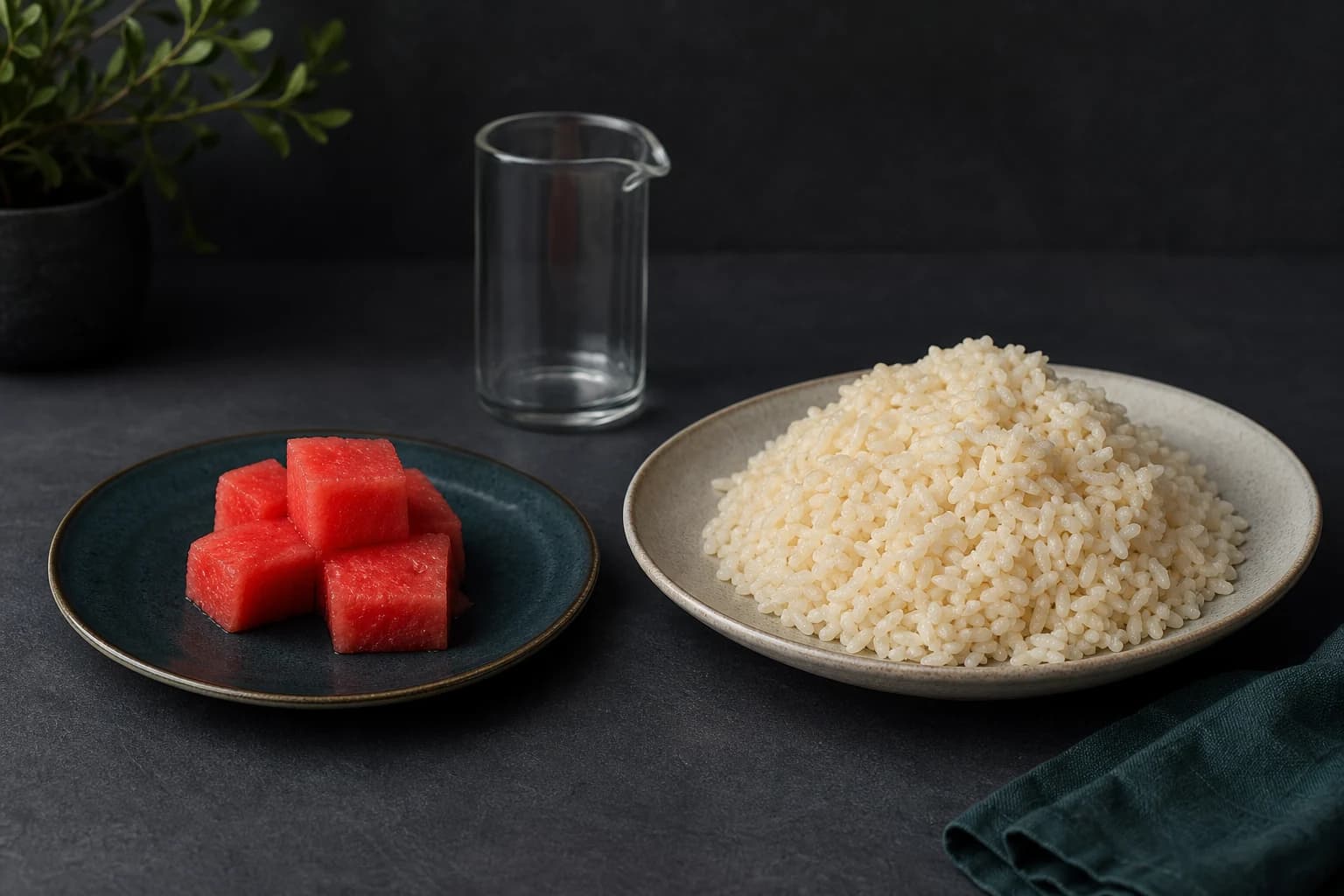
Have you ever heard that bread or rice is "like sugar"? It sounds like an exaggeration, but there's precise science behind it — and it revolves around two concepts worth distinguishing: glycemic index and glycemic load.
Glycemic index (GI): the speed
The glycemic index measures how quickly a food raises blood sugar compared to pure sugar. A high GI = a rapid spike. But on its own it says little: it doesn't take into account how many carbs you actually eat in a portion.
Glycemic load (GL): the real amount
The glycemic load is the more reliable measure, because it combines two things: the speed (GI) and the amount of carbs in the portion.
Glycemic load = glycemic index × carbs in the portion ÷ 100
In practice it's the real "sugar density" of what you put on your plate. And it's the reason a "non-sweet" food can still behave like a lot of sugar.
Dr. Unwin's brilliant translation
The Dr. David Unwin, an English GP, had a simple and powerful idea: translate glycemic load into teaspoons of table sugar (1 teaspoon ≈ 4 g). The result is striking:
- 🍚 Basmati rice (150 g) → ≈ 10 teaspoons
- 🥔 Boiled potato (150 g) → ≈ 9 teaspoons
- 🍞 Whole-grain bread (1 slice) → ≈ 3 teaspoons
- 🍓 Strawberries (120 g) → ≈ 1 teaspoon
- 🥦 Broccoli (80 g) → almost zero
Rice and potatoes contain very little sugar, but for blood sugar they "weigh" like 9-10 teaspoons. This is exactly what the glycemic index alone wouldn't tell you.
Why it matters for keto
The ketogenic diet aims precisely to keep the glycemic load low: fewer spikes → less insulin → an easier time using fat for energy (we explain it in glucose and insulin). Looking at the glycemic load, not just the index, helps you choose better.
Want to see how many "teaspoons for blood sugar" the most common foods are worth? You'll find the complete tables in our calculator and infographics.
Source
The infographic data come from Dr. David Unwin, also published in "It is the glycaemic response to, not the carbohydrate content of food that matters... the glycaemic index revisited", Journal of Insulin Resistance (2016).
Article for informative and educational purposes; it does not constitute personalized medical or nutritional advice.
🛒 Useful products
Affiliate links: if you buy through these links we may receive a small commission, at no extra cost to you.